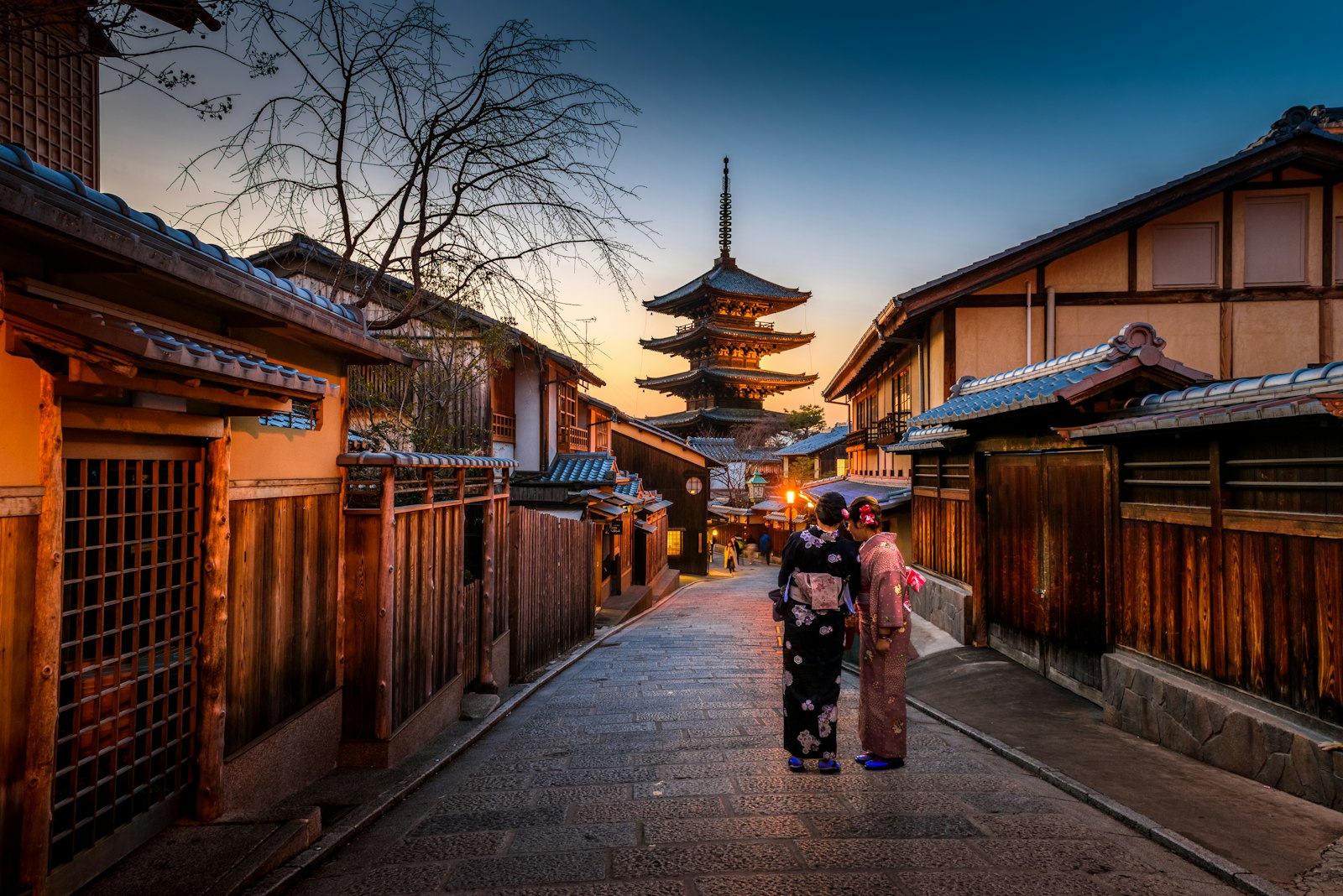

Kyoto has 2,000-plus Buddhist temples. Most of them are forgettable. The difference between a wasted day chasing Instagram checkboxes and a genuinely grounded 72 hours in Japan’s old capital comes down to ruthless editing: which temples actually move you, which neighborhoods reward wandering, and whether you’re willing to wake up at 6:45 a.m. to beat the crowds. (You should be.)
This 3-day kyoto itinerary assumes you’re arriving fresh, you have moderate fitness, and you care more about depth than coverage. If you’re coming from Tokyo—most people are—the Shinkansen takes 2 hours and 15 minutes; a reserved seat is around ¥13,320 ($90). Kyoto’s train system is straightforward but not intuitive, so download the Hyperdia app now and stop guessing.
Day 1: Eastern Kyoto (Higashiyama) and Arashiyama, Plus Your Night Arrival
If you’re arriving on a midday train, dump your bag at your hotel and head straight to Fushimi Inari Taisha by 3 p.m. Yes, it’s touristy. But 90% of visitors cluster in the first 20 minutes of the path. Walk up for 45 minutes past the crowds, and you’ll have thousands of vermillion torii gates mostly to yourself. Getting there is easy: JR Nara Line from Kyoto Station to Inari Station (5 minutes). Admission is free. Spend 90 minutes total.
Backtrack to central Kyoto via the same line, and head to the Gion-Shirakawa district by 5:30 p.m.—this is the actual atmospheric geisha neighborhood, not the overcrowded main Gion drag. Walk along the canal. You’ll see wooden machiya houses, willow trees, and real geishas heading to evening appointments. No admission required, just respect the “no photos of geishas” rule.
For dinner, eat at Gion Tanto (reserve ahead; no walk-ins). It’s omakase-style sushi in a 6-seat counter, ¥12,000–15,000 per person, and the owner sources fish from Toyosu Market that morning. The experience is intimate and worth the splurge. If you can’t get a reservation, Gion Kappou Ginkakuji (¥8,000–10,000) is your backup: seasonal kaiseki in a quieter corner of Gion.
Crash early. You’re waking up tomorrow at 6:45 a.m.
Day 2: Eastern Temples and Neighborhoods (The Main Event)
Start at Kinkaku-ji (the Golden Pavilion) the moment it opens at 9 a.m. Yes, really—the crowds hit by 10:30. Admission is ¥400. The reflected gold in the pond is legitimately stunning, but give yourself 30 minutes here, not two hours. This isn’t a hike; it’s a viewing.
From there, take the 101 bus (¥230) to Ryoan-ji, the Zen rock garden temple 20 minutes away. This is where most travelers skip, which makes it perfect. The garden has 15 rocks on gravel; philosophy majors spend hours debating whether you can see all 15 at once. Spend 45 minutes here. Admission is ¥500.
Grab lunch at Shigetsu, a small ramen shop near Ryoan-ji (¥950 for a bowl of miso ramen). It’s two blocks from the temple exit and packed with locals, zero tourists.
Afternoon: Take the bus back toward central Kyoto and head to Arashiyama Bamboo Grove (free, always open). Go at 2 p.m., not dawn—you’ll have manageable crowds and better light for photos. The grove itself is 400 meters; don’t linger; it’s a 15-minute experience. But the neighborhood around it rewards exploration. Walk to Tenryu-ji (¥800 admission, ¥3,000 if you include the garden), a stunning temple complex that most people skip because they’re exhausted by the bamboo.
Dinner: Arashiyama Yoshimura, a soba restaurant with an 80-year history. You’re eating handmade buckwheat noodles in a riverside setting for ¥1,200. It’s touristy but good touristy.
End the day with a 20-minute walk through Sagaorikyu Station neighborhood if you have energy left. It’s quiet, residential, and shows you what locals actually do at night. Small bars, tiny restaurants, no signage in English. Optional, but it resets your brain after two days of temples.
Day 3: Kiyomizu-dera, Ninenzaka, and a Slower Pace
Sleep in. Have coffee somewhere. Go to Kiyomizu-dera at 11 a.m. (admission ¥400). This wooden temple juts out over Kyoto’s south valley on massive wooden pillars. It’s famous, crowded, and worth it anyway. Give it 90 minutes including the descent through the souvenir shops (which are genuinely better than you’d expect).
Skip Ninenzaka itself—the main pedestrian street leading up to Kiyomizu is a gift shop gauntlet. Instead, take the small side alleys. Kiyomizu-gojo Station on the Keihan Line is your exit.
Lunch at Okutan Kiyomizu, a tofu restaurant that’s been operating since 1635. Kaiseki-style tofu sets run ¥3,300–6,600. Book ahead. It’s quiet, seasonal, and a completely different pace from the morning.
Spend your afternoon either:
Option A (Cultural): Hike up to Sanjusangendo, a temple housing 1,001 gilded Buddha statues. Admission ¥600. It’s overwhelming in the best way. Takes 60 minutes.
Option B (Neighborhood): Wander Philosopher’s Path, a 2-kilometer canal walk lined with cherry trees (seasonal), tea houses, and smaller temples. No admission required. It’s meditative and locals use it daily. Ginkaku-ji (the Silver Pavilion) sits at the north end—admission ¥500, and it’s less crowded than the Gold version.
For your final dinner, eat at Kikunoi, a three-Michelin-star kaiseki restaurant if you’ve booked months ahead (¥30,000+), or Hyotei for a more accessible high-end experience (¥15,000–20,000, reserve two weeks prior). If this feels like too much, Omen Kodai-ji serves hand-pulled udon in a historic wood house for ¥1,500. It’s humbler but genuinely delicious and fits the mood of a final night better.
Logistics: Transportation and Timing
Buy a Kyoto Bus One-Day Pass (¥1,100) if you’re taking 4+ rides in a day. The Kyoto Loop Bus covers major temples but runs infrequently (every 30–40 minutes). For point-to-point trips, use individual tickets.
The JR Pass is not worth it for a 3-day trip. Instead, get IC card (ICOCA, ¥2,000 including ¥1,500 usable credit) at Kyoto Station and use it on buses and trains. It saves mental math.
Weather timing: Spring (late March–April) and autumn (October–November) are ideal. Summer is brutal (35°C / 95°F+). Winter is dry and pleasant but some smaller temples have reduced hours.
What to Actually Skip
Don’t go to Fushimi Inari at sunrise. The hiking trails are crowded and slippery. 3 p.m. is smarter.
Don’t eat at any restaurant within 100 meters of Kinkaku-ji or Arashiyama Bamboo Grove. The food is mediocre and prices are inflated 40%.
Don’t take a rickshaw tour. You’ll pay ¥10,000+ for something you could walk yourself and experience more genuinely.
Don’t stay in central Gion if you want sleep. It’s loud and seedy at night. Stay in Higashiyama-ku or near Kyoto Station instead.
Three days is a sprint, but it’s a focused sprint. You’ll leave knowing exactly which temples moved you, which neighborhoods felt alive, and which restaurant you’re already planning to return to. That’s the point.