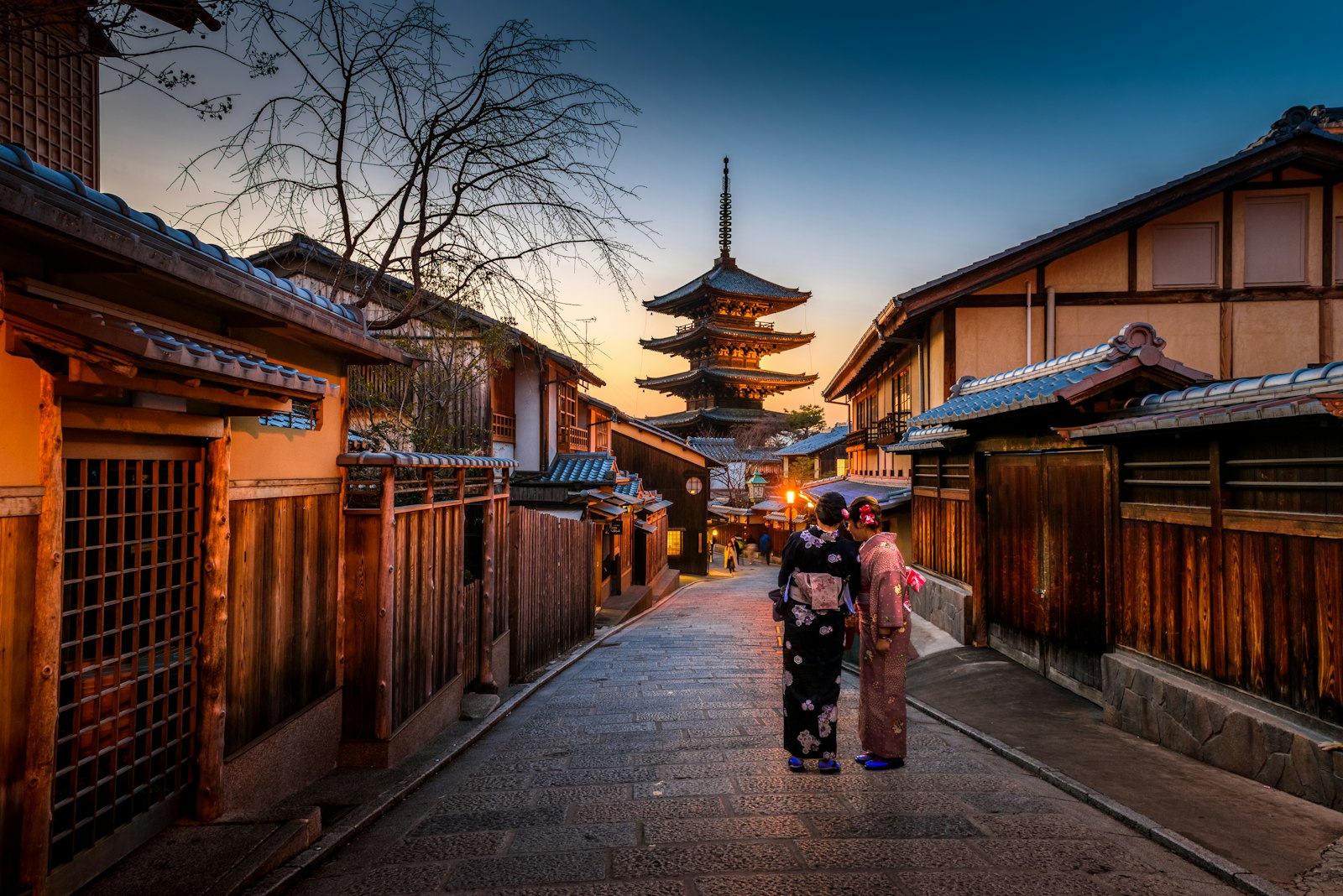

Kyoto isn’t a city—it’s a time machine with a serious overtourism problem. Yes, you’ve seen those iconic photos of the vermillion torii gates at Fushimi Inari, the golden pavilion of Kinkaku-ji gleaming against a perfect blue sky. But here’s the reality: those spots are now so mobbed with selfie sticks that you’ll spend more time waiting for a clean photo than actually experiencing the place. After multiple visits, I’ve figured out which Kyoto attractions deliver genuine magic and which ones are just Instagram locations. This guide separates the unmissable from the overrated—and introduces you to the neighborhoods where Kyoto’s real soul lives.
Start with Arashiyama, but Skip the Bamboo Grove Crowds
The Arashiyama Bamboo Grove is beautiful. It’s also packed with approximately 5,000 visitors daily, most there for exactly 12 minutes to film TikToks. If you must go, arrive by 7 a.m., or skip it entirely.
Instead, spend your Arashiyama morning at Okochi Villa (admission ¥1,000, or about $7), a 1930s mountain estate with actual views of Kyoto spreading below you. You’ll see maybe 40 people here compared to thousands at the bamboo grove five minutes away. The gardens are immaculate, the tea ceremony (included) is unhurried, and the silence is the kind you rarely find in Kyoto anymore.
Then walk the Philosopher’s Path, a canal-side route connecting two temples through residential neighborhoods. Cherry blossoms explode here in April (plan accordingly—book accommodations 6 months ahead if you want to visit then), and even in off-season, you’ll see locals actually living their lives. Stop at Nanzen-ji Temple (¥600) at the path’s southern end; unlike Kinkaku-ji, this 800-year-old complex is proportional to human scale, and the aqueduct running through it is architecturally stunning without feeling like a theme park.
How to Get to Kyoto (and Why Timing Matters)
Most international travelers arrive via Kansai International Airport (KIX), which is 75 minutes south by train. Take the Haruka Express directly to Kyoto Station (¥3,600 one-way, 75 minutes). It’s expensive but faster than buses and worth the premium for a 12-hour visit.
If you’re arriving from Tokyo—a common pairing—the Shinkansen (bullet train) takes 2 hours 15 minutes and departs every 10-20 minutes. Book seats in advance via Hyperdia or your hotel; you’ll sit in cushioned comfort watching Japan compress itself into smaller, slower, more beautiful increments.
Time your arrival strategically. Arrive late afternoon (after 3 p.m.) and leave early morning to avoid peak tourism hours. Most visitors crowd temples between 10 a.m. and 4 p.m. The Kyoto Japan weather is mild March–May and September–November; avoid July (35°C heat, humidity that melts your phone) and August (same, plus festivals everywhere).
Gion: Where to Actually See Geisha (and Where Not To)
Gion is Kyoto’s geisha district, and yes, geisha actually live and work here—not just for tourists. But the main street has become a performance, with tourists posing in rented kimono at every intersection.
Go instead to Hanami-koji street, one block east, which retains actual wooden machiya (traditional townhouses), some operating as teahouses and restaurants. Around 6 p.m. in any season, you’ll see actual geisha walking to evening appointments, moving with the kind of purposeful elegance that no photo can capture.
For a proper experience (not cheap, but genuine): book a private geisha dance performance through your ryokan or a service like Kyoto Geisha Experience (¥8,000–15,000 per person for a 45-minute private show). It’s expensive because it’s real. The alternative—the crowded public performances at theaters—feels like watching a reenactment.
Eat dinner in Gion at Gion Tanto (kaiseki, ¥12,000–18,000) or the more casual Gion Kappou Ippudo (set meals ¥1,500–3,000). Skip the tourist traps on the main drag (they exist for a reason: high turnover, low standards).
Skip Kinkaku-ji; Go to Ryoan-ji Instead
I’m going to say it: Kinkaku-ji (the Golden Pavilion) isn’t worth the 90-minute queue. The building is stunning, yes, but you’ll experience it as part of a shuffling line of 8,000 people per day, most viewing it through phone screens. Admission is ¥400 (cheap) because the site knows volume is its actual product.
Go to Ryoan-ji instead (¥500, 20 minutes west by train, then bus). This Zen Buddhist temple houses one of Japan’s most famous rock gardens—15 stones arranged in gravel so carefully that the composition seems to shift depending on where you sit. There’s no “correct” interpretation; that’s the point. You’ll sit on a wooden platform for 20 minutes while schoolchildren sketch, monks pass through, and the garden holds its subtle conversation with itself.
The temple also has a pond garden where you can actually walk around (unlike the rock garden, which you view from one platform). You might spend 90 minutes here total, and most will be in genuine contemplation, not line-waiting.
Kurama and Kibune: The Kyoto Itinerary Escape Hatch
If your Kyoto itinerary feels compressed and touristy by day three, take a day trip north to Kurama and Kibune, twin mountain villages 30 minutes north on the local train (¥440).
Kurama has the Kurama Temple (¥200), a mountain complex with a walking route through forest so dense it blocks out the city’s noise entirely. In November, the maple leaves here rival Arashiyama’s crowds but without the Instagramming masses. The walk takes 90 minutes and is steep enough that casual tourists quit early.
Kibine, in the valley below, is where locals escape Kyoto’s summer heat. Kibune Shrine sits above a mountain river where restaurants serve meals on platforms suspended over the water (kaiseki box lunches ¥3,000–5,000). It’s genuinely transcendent in summer—sit above moving water while eating, surrounded by forest, and feel whatever Kyoto’s tourists are searching for actually become real.
Return to Kyoto Station in time for dinner. The effort is minimal; the restoration is significant.
Nijo Castle and Nara: What to Actually Prioritize
Most Kyoto guides treat Nijo Castle (¥1,300) as a checkbox—a shogun’s fortress with architecture and history. But it’s genuinely extraordinary: the nightingale floors squeak specifically to prevent assassins, the decorative gold leaf is aggressive and beautiful, and the five concentric castle rings show actual medieval paranoia translated into architecture.
Go early (9 a.m. opening, arrive by 8:50) or late (after 3 p.m.). The interior is smaller than you’d expect, so 90 minutes suffices.
If you have time for a day trip (most Kyoto visitors shouldn’t—one city properly beats one city rushed), Nara is 45 minutes south and contains more temples than Kyoto in a town the size of a neighborhood. The Todai-ji Temple houses a 15-meter bronze Buddha. The Nara Park has 1,200 deer that bow for crackers. It’s worth seeing, but only if you’re visiting Kyoto for 4+ days.
The One Non-Negotiable: Arrive With Weather in Mind
Kyoto Japan weather determines everything. Spring (late March–April) and fall (late October–November) are perfect and completely booked. Summer is brutal; winter is mild but gray. If you visit in peak season, book accommodations now, no matter what month you’re reading this.
Plan 3–4 days minimum if visiting temples and geisha districts meaningfully. Two days means you’ll spend most of it in transit between Instagram locations. One day is possible (hit Ryoan-ji, walk the Philosopher’s Path, eat dinner in Gion) but will feel like a trailer to a movie you didn’t watch.
Start early, skip the famous mobs, and spend time in the neighborhoods where people actually live—that’s where Kyoto stops being a historical theme park and becomes something you’ll remember for reasons beyond photos.