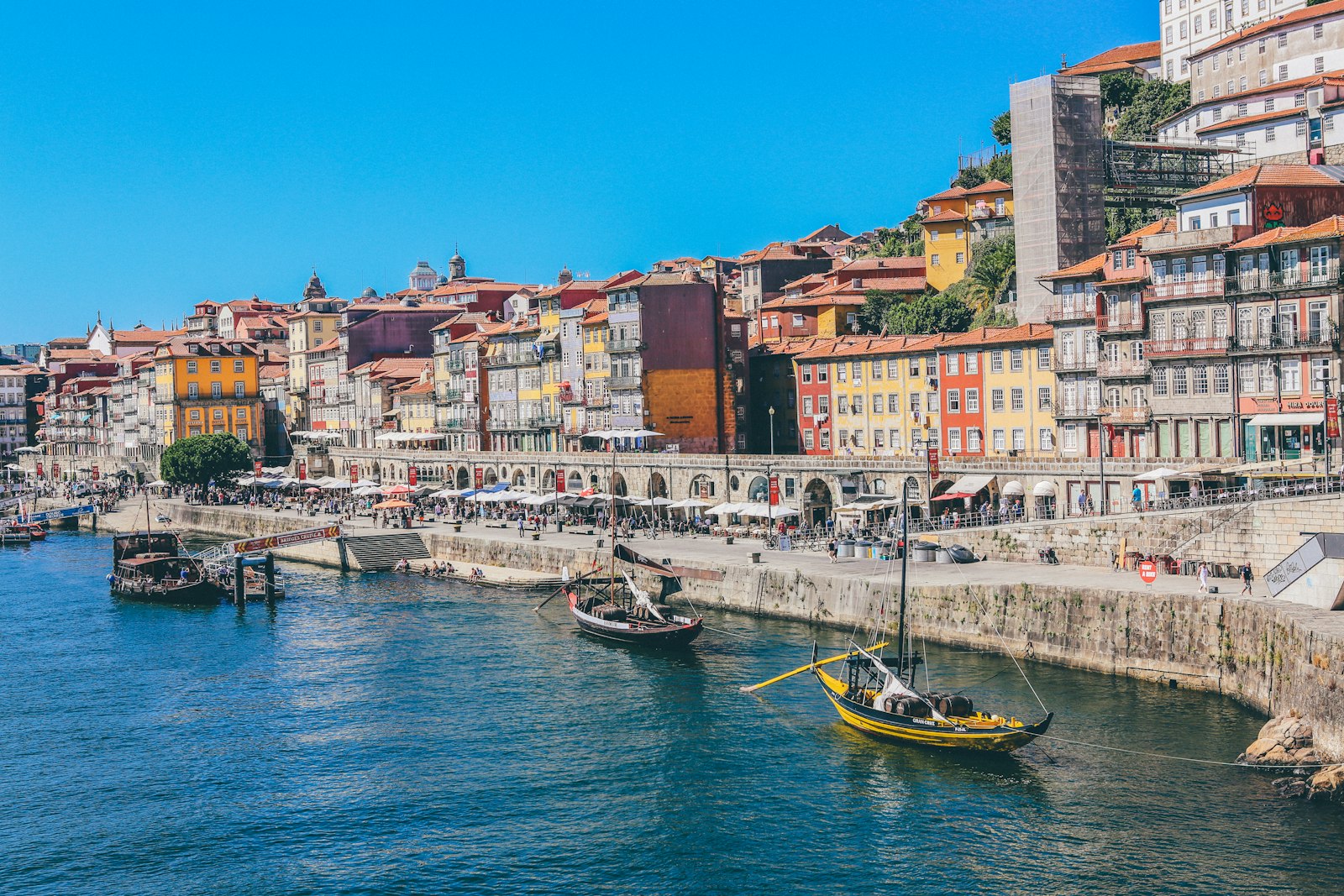

Lisbon has a way of surprising visitors who expect tired clichés. Yes, there are pastel buildings and golden light. But what catches you off-guard is the smell of grilled sardines at 10 a.m., the fado singer who stops mid-verse to laugh, the woman in a wool coat walking a rooster down a narrow staircase like it’s the most natural thing in the world.
Three days in Lisbon is—and I say this without sentiment—just enough. It’s long enough to move beyond the obvious, short enough to keep you hungry for more. This itinerary focuses on the neighborhoods that feel like Lisbon, the restaurants where locals actually eat, and a pace that lets you breathe instead of racing through another checklist.
Day 1: Baixa, Chiado & Bairro Alto (Your Transit & Orientation Day)
Start in Baixa (the lower city), where you’ll orient yourself and get your bearings for the rest of your Lisbon travel guide adventure. This grid of wide avenues rebuilt after the 1755 earthquake is tourist-heavy, yes—but it’s the essential spine of the city. Arrive early at Praça do Comércio (Commerce Square) around 8 a.m., before tour groups materialize. The square is massive, luminous, and genuinely moving at dawn. Grab coffee at Wish Slow Coffee House on the square’s northeast corner—they’re serious about their beans, and a cappuccino runs €3.50.
Spend the morning walking north through Baixa’s grid toward Rossio Square and the Elevador de Santa Justa, that iconic wrought-iron elevator completed in 1902. Skip the queue and €5 ticket—instead, walk five minutes east and pay €1.50 to ride the Tram 28 up to Bairro Alto and skip the crowds entirely. You’ll hit the same views, minus the Instagram bottleneck.
Lunch at Café com Calma in Baixa (Rua do Crucifixo, 112): simple, honest Portuguese food. Order the grilled fish of the day (€12–15), a glass of white Vinho Verde (€4), and eat standing at the counter like you belong there. This is how Lisboetas lunch.
Afternoon: transition into Chiado, the bohemian neighborhood just north. This is where Fernando Pessoa drank, where poets still seem to lurk in the shadows. Wander Rua Garrett and pop into Livraria Bertrand (Rua Garrett, 73–75), the world’s oldest bookstore in continuous operation since 1732. Browse the Portuguese literature section even if you don’t read Portuguese—the covers are beautiful, and the smell alone is worth the detour.
By 5 p.m., you’re in Bairro Alto, the neighborhood that defines Lisbon’s spirit. Stay high in the neighborhood’s northern reaches—around Rua da Rosa and Rua do Século—where there are fewer stag parties and more actual residents. Have a ginjinha (a sour-cherry liqueur, served in tiny cups for €2) at A Ginjinha on Largo de São Domingos, then have dinner at Taberna da Rua das Flores (Rua das Flores, 103). It’s small, noisy, genuinely charming—their arroz de marisco (seafood rice) is profound. €15–18 per person.
Transit note: Buy a Viva Viagem card (€0.50) at any metro station and load it with a 7-day tourist pass (€42) or individual journeys (€1.50 per ride). The metro is fast, clean, and covers most of where you’ll go. Buses and trams are cheaper (€1.20/ride) but slower.
Day 2: Alfama, São Jorge & the Tejo Riverfront
This is the day for things to do in Lisbon that actually feel like Lisbon. Get to Alfama early—this maze of steep, narrow streets and hidden stairways is where the city’s oldest soul lives, and you want it before the crowds.
Start at São Jorge Castle (Castelo de São Jorge). Don’t skip this—the view of the city unrolling below you, the Tejo River beyond, the way the neighborhoods arrange themselves like a map you can finally read. Admission is €8.50. Open from 9 a.m.; be there by 9:15. Spend an hour walking the ramparts, then descend via the steep staircases into Alfama proper.
Get genuinely lost. There’s no bad turn here. Eventually, you’ll stumble into Largo de São Miguel, a tiny square where locals drink beer at picnic tables and someone’s always playing a guitar. Eat lunch at Taberna do Manel (Beco do Arco do Marquês, 15–17)—it’s three tables, run by a woman named Maria, and her bacalhau à Brás (shredded salt cod with crispy potatoes) is possibly the best you’ll have in Lisbon. €10–12, cash only.
Spend the afternoon returning to the riverfront via Rua dos Remédios (it descends toward the river, and the views are extraordinary). Hit Terreiro do Paço/Praça do Comércio again, but from the Tejo side this time. The light changes everything.
Late afternoon: Walk the waterfront west to Belém. You’ll be walking about 2 km along the river—bring sunglasses. This neighborhood is more touristy (it’s where you’ll find the Pastéis de Nata pilgrims queuing for Pastéis de Belém), but it’s also architecturally magnificent. The Jerónimos Monastery is one of Europe’s great buildings, even if you don’t go inside (it’s €12, but the exterior is the whole point). Have a proper espresso and a Pastel de Nata at Pastéis de Belém (Rua de Belém, 84–92) because you have to, even if the queue is 20 people deep. €1.10 per pastry.
End your evening back in Bairro Alto with dinner at O Príncipe do Calhariz (Rua Calhariz, 34)—small plates, excellent wine, a neighborhood spot that hasn’t succumbed to tourism. €20–25 per person.
Day 3: São Bento, Príncipe Real & a Slow Afternoon
Your final day should feel less like tourism and more like living. Start with breakfast at Mercado 31 de Janeiro (a small food market in Príncipe Real, open 7 a.m.–2 p.m.) or Wish Slow Coffee House’s sister location in Príncipe Real. This neighborhood has evolved into Lisbon’s creative hub—bookstores, small galleries, and locals who actually chose to be here.
Spend the morning in Príncipe Real itself. The neighborhood is built around a beautiful square of the same name, shaded by enormous ancient trees. Walk through Livraria LER Devagar (Travessa do Carmo, 4), an independent bookstore inside a former palace—it’s a piece of theater as much as a bookstore. Grab a coffee from their café and sit in the courtyard.
Around lunchtime, head to Santos neighborhood via the metro. It’s where creative types live, where the best new restaurants open, where you’ll find actual Lisboetas instead of tourists. Have lunch at Pharmácia (Rua Marechal Sarmento, 1)—a former pharmacy turned restaurant with phenomenal small plates and natural wines. €18–25.
Walk off lunch by wandering Rua do Século and the surrounding streets—this is where independent designers, vintage shops, and quiet cafés cluster. There’s no “must-see”; the point is to move slowly and notice things.
Spend your final evening back in Bairro Alto or Chiado, eating your last meal at a place that feels right to you. Before you leave, grab a bottle of Vinho Verde (€4–6 from any supermarket) to bring home—it’s the taste of three days collapsed into one bottle.
A Few Things to Skip (and Why)
The Cristo Rei statue across the river in Almada? Skip it unless you have more than three days. It’s a 30-minute round trip and the views aren’t better than what you’ll see from São Jorge. Sintra (the fairy-tale palace town 30 km northwest) is worth visiting—but not on a three-day trip. You’ll spend 4 hours commuting for 2 hours there. Save it.
The Vasco da Gama mall and the modern waterfront in Parque das Nações? It’s shiny and new, and it has nothing to do with Lisbon. Your time is better spent in the old neighborhoods where the city actually lives.
Where to Stay in Lisbon (On Three Days)
Book a small hotel or Airbnb in Bairro Alto or Chiado (€80–150/night for a decent room). You’ll be central, surrounded by the neighborhoods you’ll actually spend time in, and you’ll wake up to the sounds and rhythms of the city’s real life. Avoid the waterfront hotels—they’re expensive and isolating.
By the end of three days, you won’t have conquered Lisbon. You’ll have tasted it, and that’s the only way to really understand a place worth visiting.